Climate Resilience in Africa: Strengthening Sustainable Farming Practices
04/10/2026
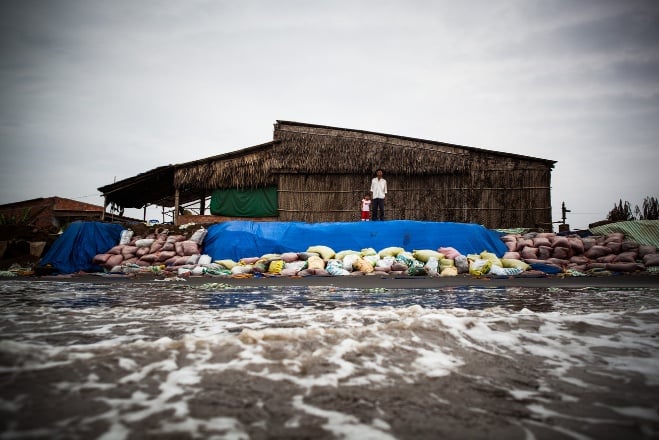
More frequent droughts, erratic rainfall and rising temperatures threaten agricultural production and food security. Where harvests fail and food security erodes, social cohesion weakens, and the risk of instability grows. Germany remains a reliable partner in strengthening resilience and promoting sustainable development and security.
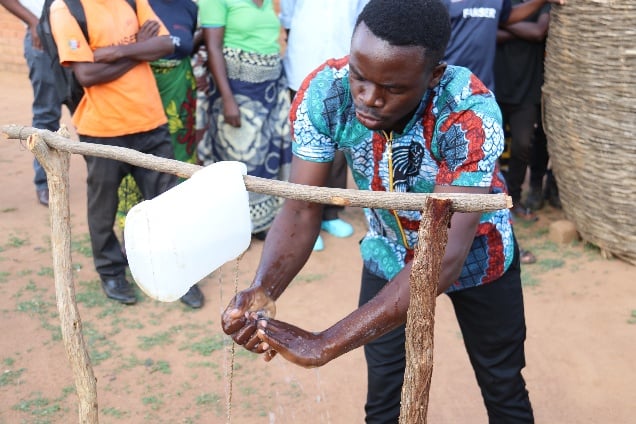
One example is our cooperation with Zambia, where rural communities face increasing challenges from the impacts of climate change. Agriculture is the backbone of rural livelihoods in Zambia as well as in many other countries. Yet, climate change increasingly disrupts harvests and food supply. When crops fail or yields decline, families face growing uncertainty, especially households with young children, who are most vulnerable to malnutrition.
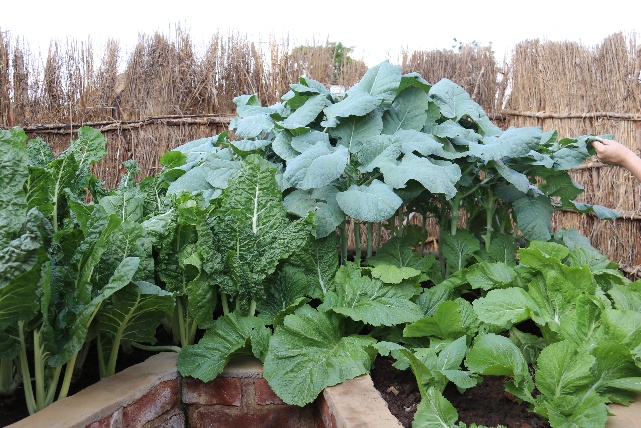
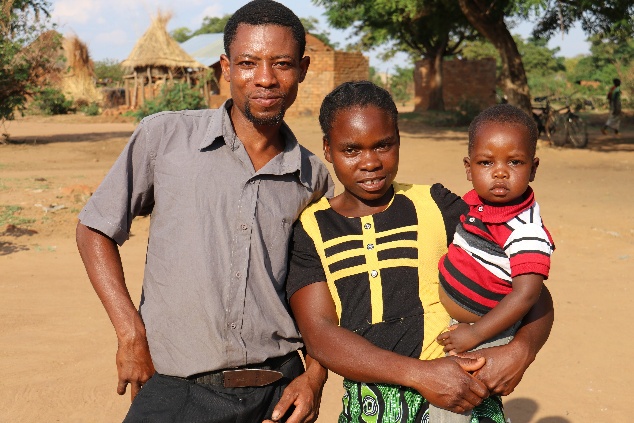
Germany supports Zambia through targeted support for climate-adapted agriculture, improved nutrition and stronger local capacities. Around 130,000 people benefit directly from the project, more than half of them women and around 20,000 children under the age of two.
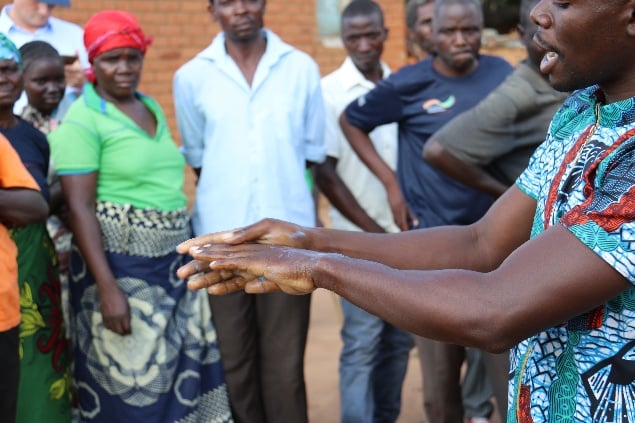
The project promotes sustainable farming practices, diversified crops and better nutrition services, with a strong focus on women and young children. By embedding successful approaches into national and local structures, the initiative helps ensure that resilience-building efforts are sustained over the long term.
Highlights
- When climate stress undermines food security, it can fuel social tensions and instability – particularly in rural communities with limited adaptive capacity.
- Germany supports around 130,000 people in rural Zambia in strengthening climate resilience and food security, contributing to more stable and peaceful communities.
News and Events
Stay updated and find out more about Germany's engagement for Respect, Justice and Peace around the world.
-
 Story04/10/2026
Adapting to the Impacts of Climate Change: Financing Climate Resilience & Climate Solutions
Least Developed Countries (LDCs) and Small Island Developing States (SIDS) are among…
-
 Story12/30/2025
Climate Change Adaption in the Caribbean: Together for more Resilience
Small Island Developing States (SIDS) face significant social, economic and environmental challenges…
-
 Story09/08/2025
Peacebuilding in Colombia: Implementing the Peace Agreement Toward Sustainable Peace
A delegation of the United Nations Peacebuilding Commission, chaired by Germany, recently…