Adapting to the Impacts of Climate Change: Financing Climate Resilience & Climate Solutions
04/10/2026
Least Developed Countries (LDCs) and Small Island Developing States (SIDS) are among the most vulnerable to the impacts of climate change. These can undermine livelihoods, weaken fragile institutions and pose risks to human security and stability. Strengthening resilience is therefore essential not only for sustainable development, but also for long-term peace and security.
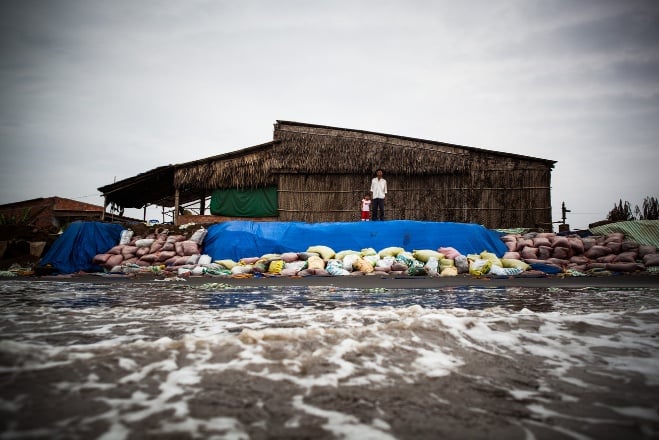
For many LDCs and SIDS, extreme weather events, rising sea levels and slow-onset environmental degradation threaten settlements, food systems and economic stability. When adaptation efforts remain underfunded, climate impacts can exacerbate poverty and increase the risk of resource-related tensions. Supporting effective adaptation measures is therefore a key investment in resilience and stability.
Germany supports the Least Developed Countries Fund (LDCF) and the Special Climate Change Fund (SCCF), the only multilateral funds specifically dedicated to the adaptation needs of LDCs and SIDS. Between 2023 and 2024 alone, Germany committed around 30 million US-Dollars to the LDCF and an additional 24 million US-Dollars to the SCCF.
Together, these funds have supported more than 500 projects worldwide, benefiting over 70 million vulnerable people and strengthening the climate resilience of more than 16 million hectares of land. Through its engagement, Germany contributes to protecting ecosystems, strengthening climate resilience and promoting stability in regions most exposed to climate risks.
Highlights
- LDCs and SIDS contribute least to climate change - yet they face the gravest threats to their stability and security due to its impacts.
- Germany committed around 55 million US Dollars to adaptation funds in 2023–2024, supporting over 70 million people in the world's most vulnerable countries and strengthening resilience and stability.
News and Events
Stay updated and find out more about Germany's engagement for Respect, Justice and Peace around the world.
-
 Story04/10/2026
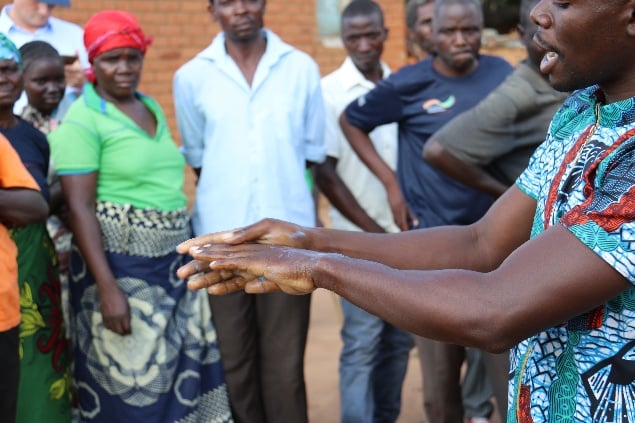
Climate Resilience in Africa: Strengthening Sustainable Farming Practices
More frequent droughts, erratic rainfall and rising temperatures threaten agricultural production and…
-
 Story12/30/2025
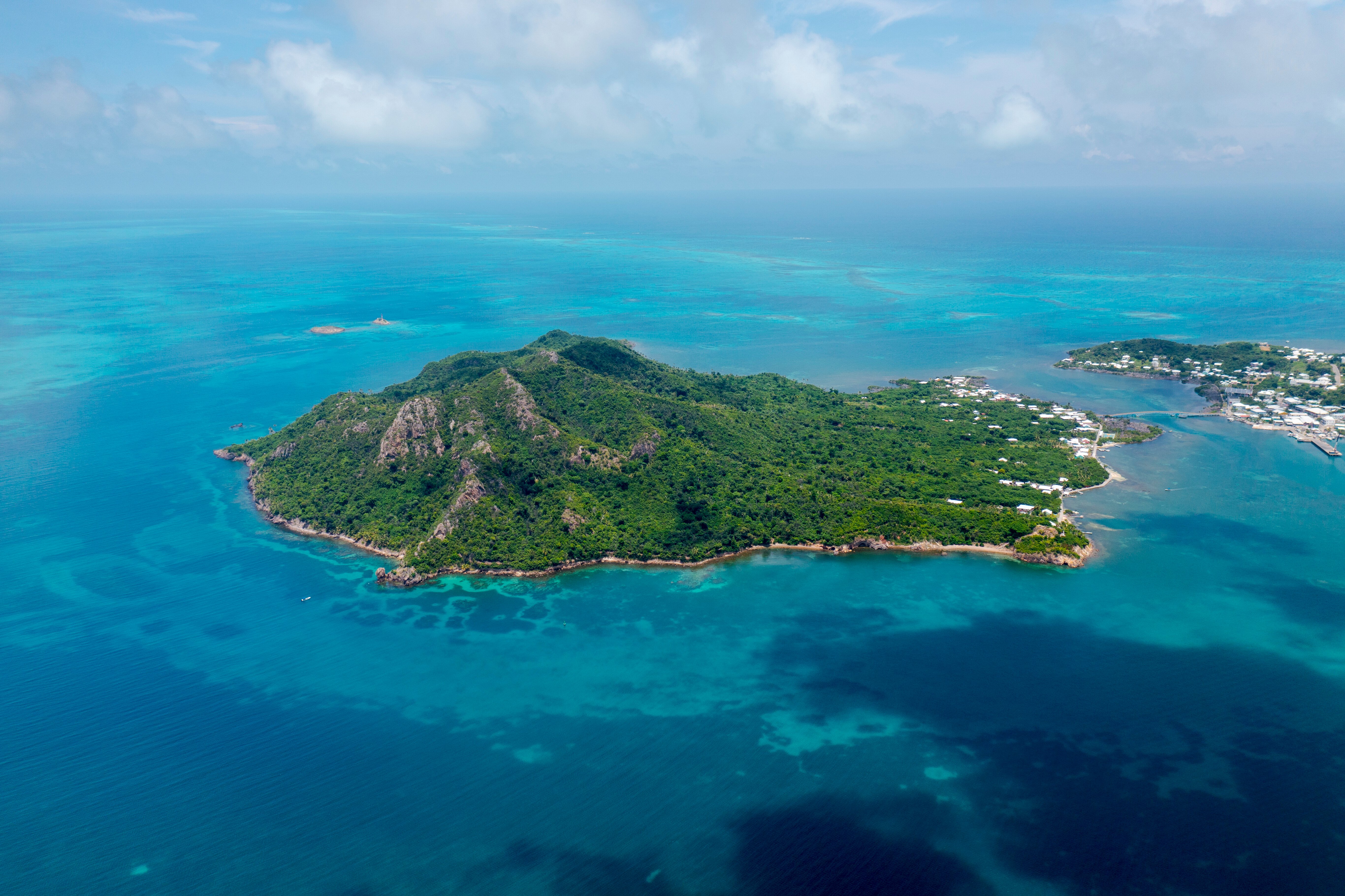
Climate Change Adaption in the Caribbean: Together for more Resilience
Small Island Developing States (SIDS) face significant social, economic and environmental challenges…
-
 Story07/01/2025
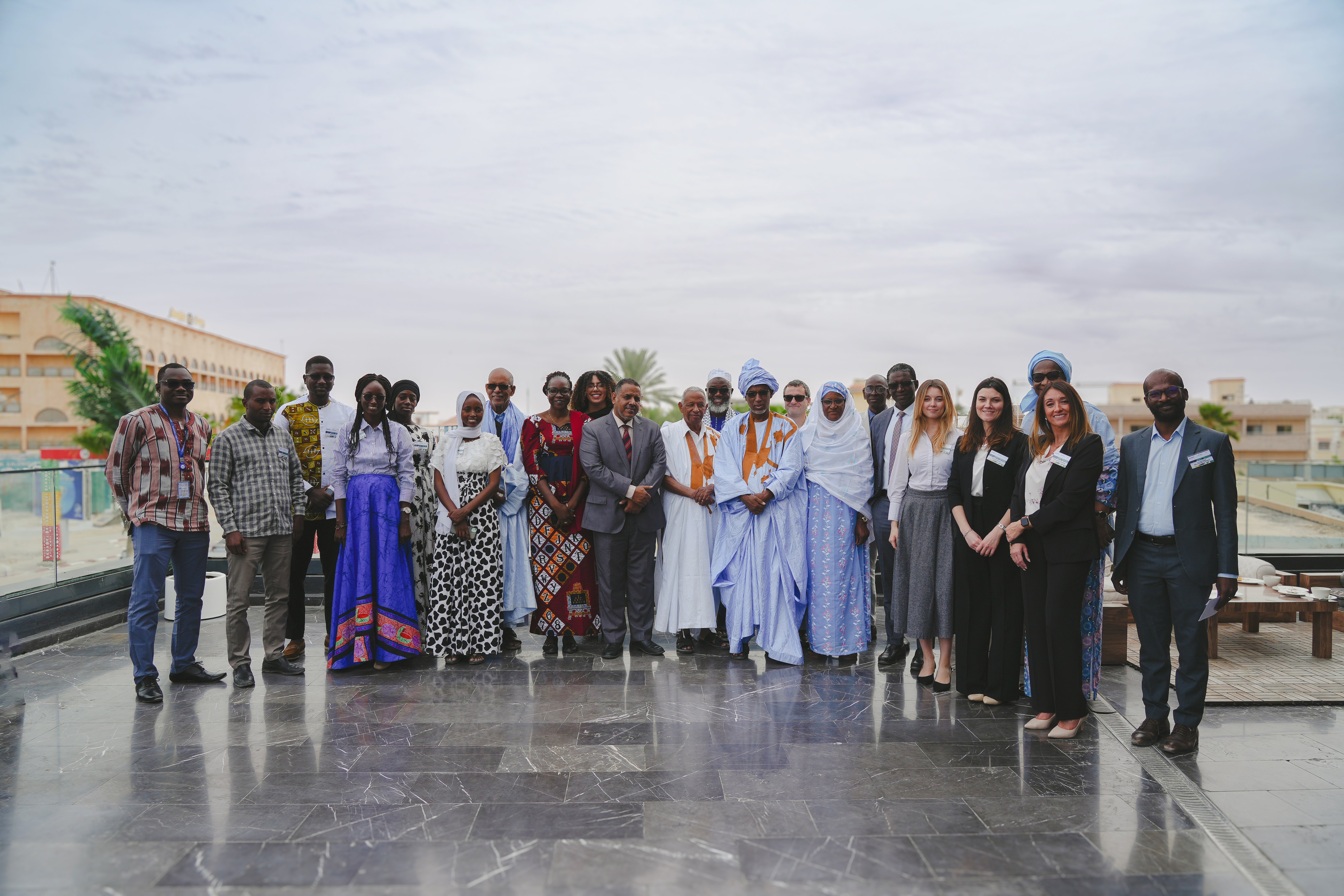
Resilience in the Sahel: Addressing the nexus of Climate Change and Violent Extremism in Mauritania
Increasing instances of violent extremism and the effects of rapidly proceeding climate…